
I Don't Review Tools.
I Interrogate Them.
No “Top 10” listicles. No spec-sheet parroting. Just power tools put through real work, compared side by side, and judged on what happens when you actually use them.

I remember the exact drill. A battered old corded Black & Decker, half the paint worn off the handle from decades of my dad's grip, with a cord that had been electrical-taped back together in at least three places because he refused to throw anything away that still technically worked.
I was fifteen, it was a Saturday, and he was building a set of shelves for my mother's sewing room. I asked if I could help. He handed me the drill like he was handing me a live grenade — “don't force it, let the bit do the work” — and something in me just clicked the second that motor started spinning.
I wasn't a naturally patient kid. But put a drill in my hand and suddenly I had the attention span of a surgeon. I drilled every scrap of wood in that garage that day. Pine, plywood, a chunk of oak from an old table leg.
How the bit bit into softwood like butter. How it fought me in the oak. How the torque changed when I hit a knot. I didn't have the vocabulary for it back then, but I was already doing what I do now: testing.
That drill is long gone. But every tool I've picked up since — every impact driver, random orbit sander, and benchtop planer — I've picked it up with that same fifteen-year-old curiosity.
I've Ruined Good Wood With Bad Tools.
I Won't Let You Do the Same.
Here's something nobody tells you when you're starting out: a bad tool doesn't just waste your money — it wastes your wood.
I've had a sander with an off-balance pad chatter a swirl pattern into a $140 piece of curly maple I'd been saving for a client's headboard. I've had a “budget-friendly” cordless drill's clutch slip mid-pilot-hole and strip out a hole in a walnut leg I'd already dovetailed. I've had a planer snipe the last four inches of a board so badly that an eight-foot piece of quartersawn white oak became a six-foot piece of firewood.
And every one happened because I trusted a spec sheet or a five-star Amazon review instead of putting the tool through what I now call the Brutal Bench Test.
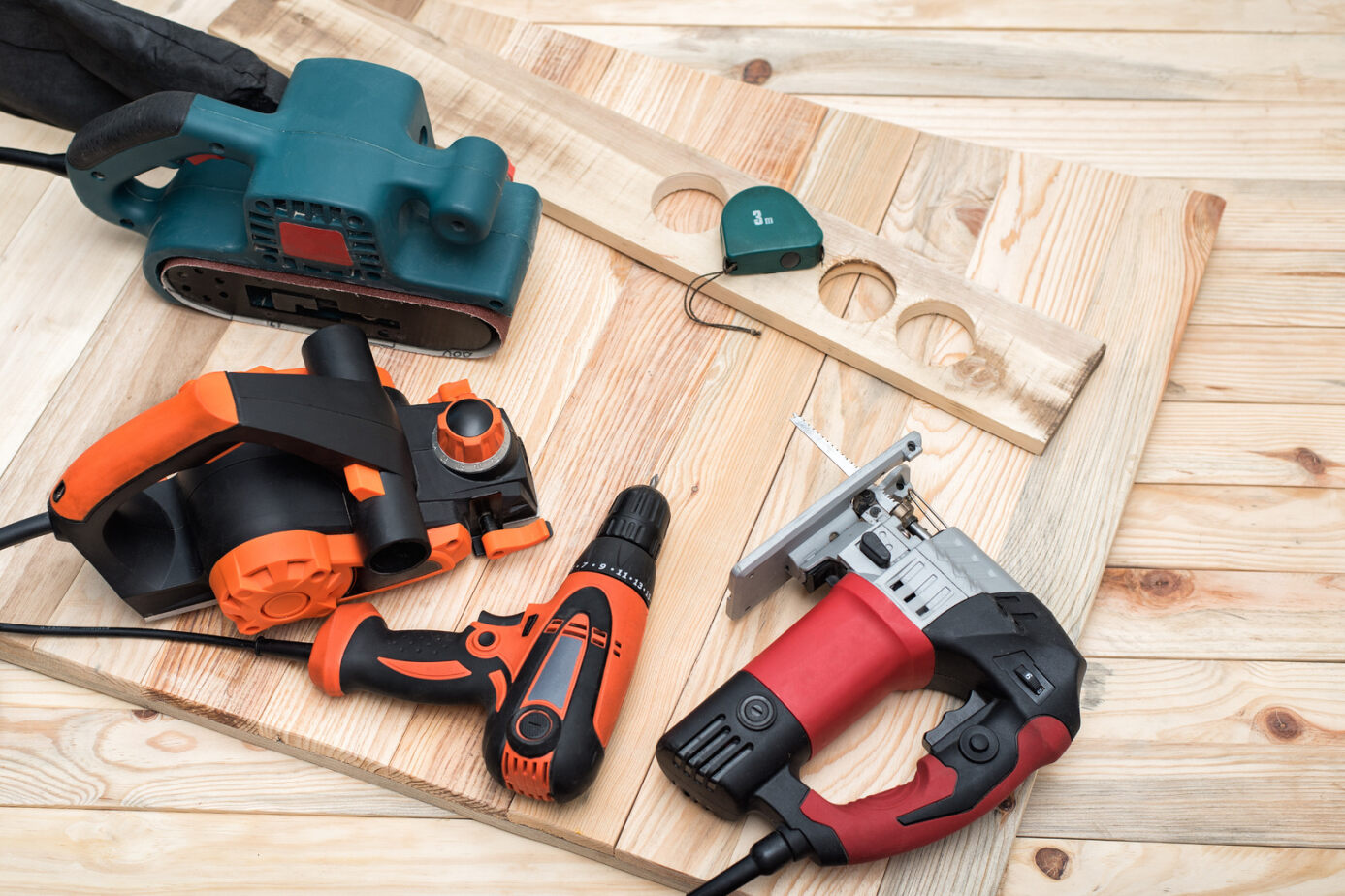
Specs tell you what a tool is. Testing tells you what it does.
Wood type, load, control, finish quality, vibration, handling and the ugly little failures that don't show up in a product photo.
SHOP / TOOLSHISTORY / DRILLS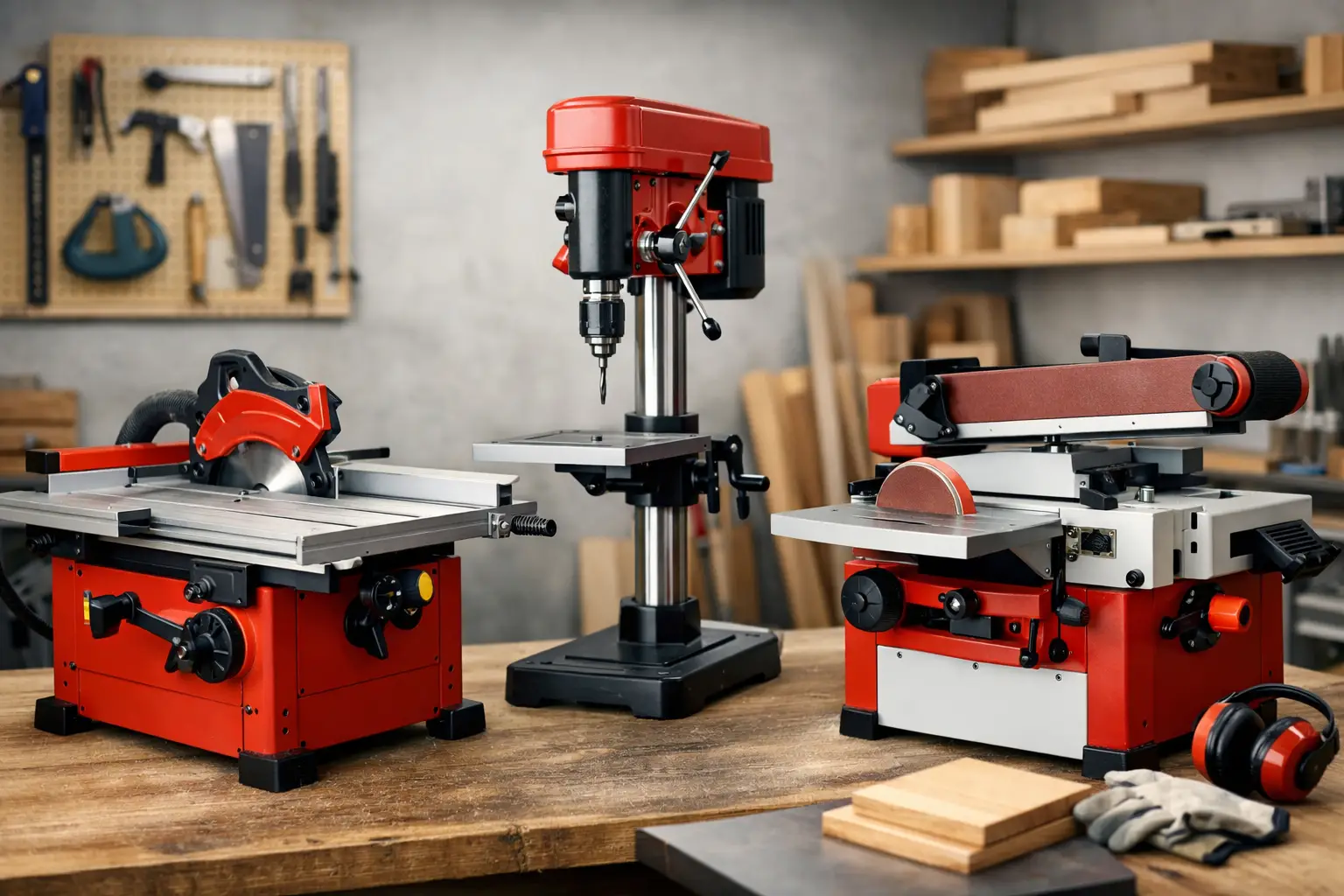 BENCH / MACHINES
Every Tool Goes Through Hell Before I'll Recommend It.
I don't test tools on a single clean pine board under a shop light for a glossy photo. I test them the way they'll actually be used — which means abuse.
Because a tool that only performs in perfect conditions isn't telling you the whole story.
Pine + Cedar
Soft, forgiving woods most tools are secretly optimized for.
Oak + Maple
Dense, unforgiving hardwoods that expose weak motors and cheap bearings fast.
Walnut
Beautiful, moderately hard, and merciless on dull or poorly-designed cutting edges.
Plywood + MDF
Real shop work that chews through blades, bits, and belts differently than solid wood.
Reclaimed + Rough-Sawn
Knots, grit, nail holes and hostile grain. No polished lumber safety net.
Before You Buy Another Tool, Read What I Found When I Tried to Break It.
I built this site because I was tired of buying tools based on reviews written by people who'd clearly never built anything more demanding than a birdhouse. I wanted a place where the “review” actually meant something — where the verdict came from calluses, not clicks.
Dig into the comparisons. Read about the tools that survived my bench, and the ones that didn't.