

The clear winner for most buyers — 169 Nm of torque, DeWalt's Anti-Rotation kickback safety system, and a carbide-reinforced chuck, priced $62 lower than the older DCD996. If you're buying new in 2026 with no strong reason to go older, this is the pick.
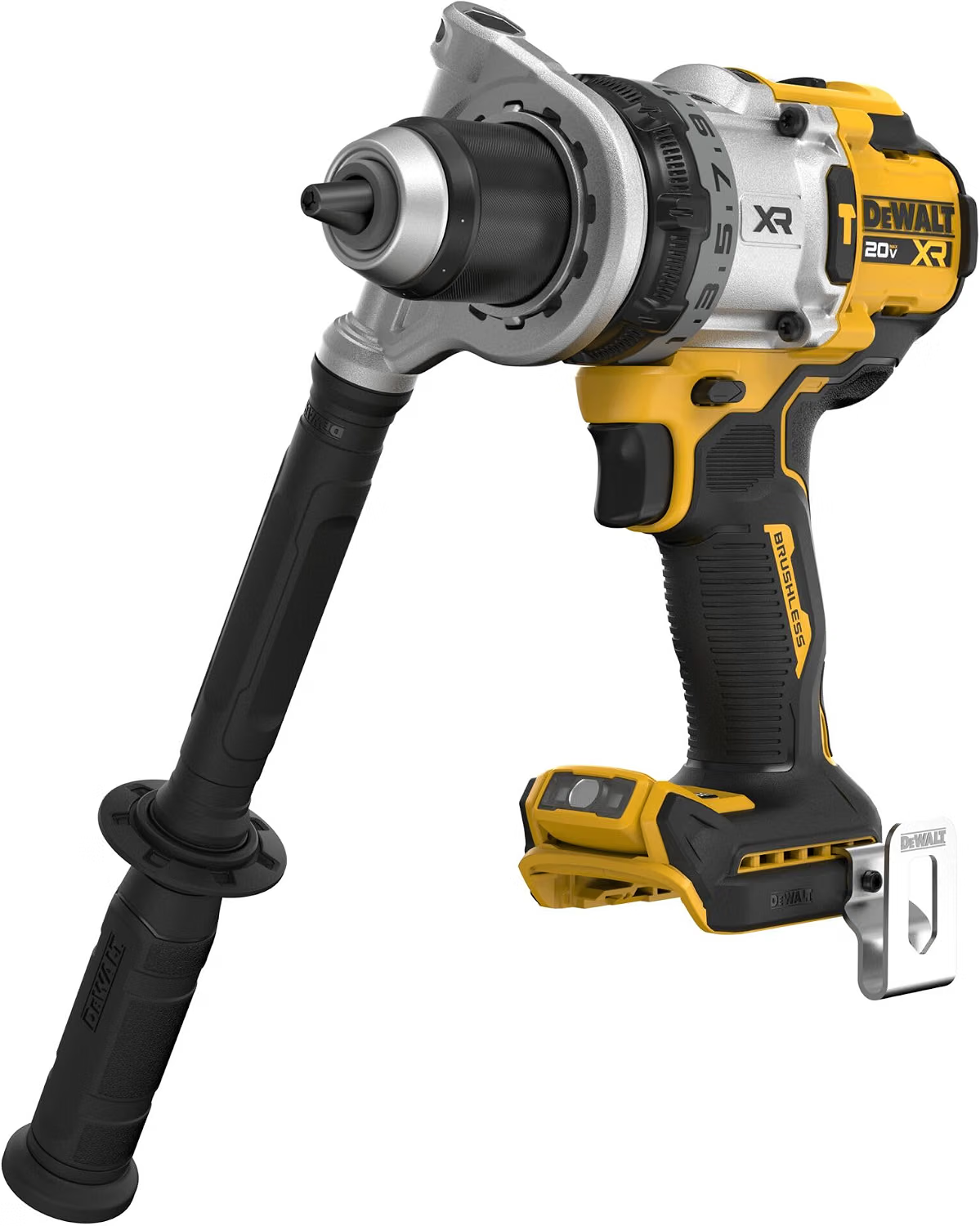

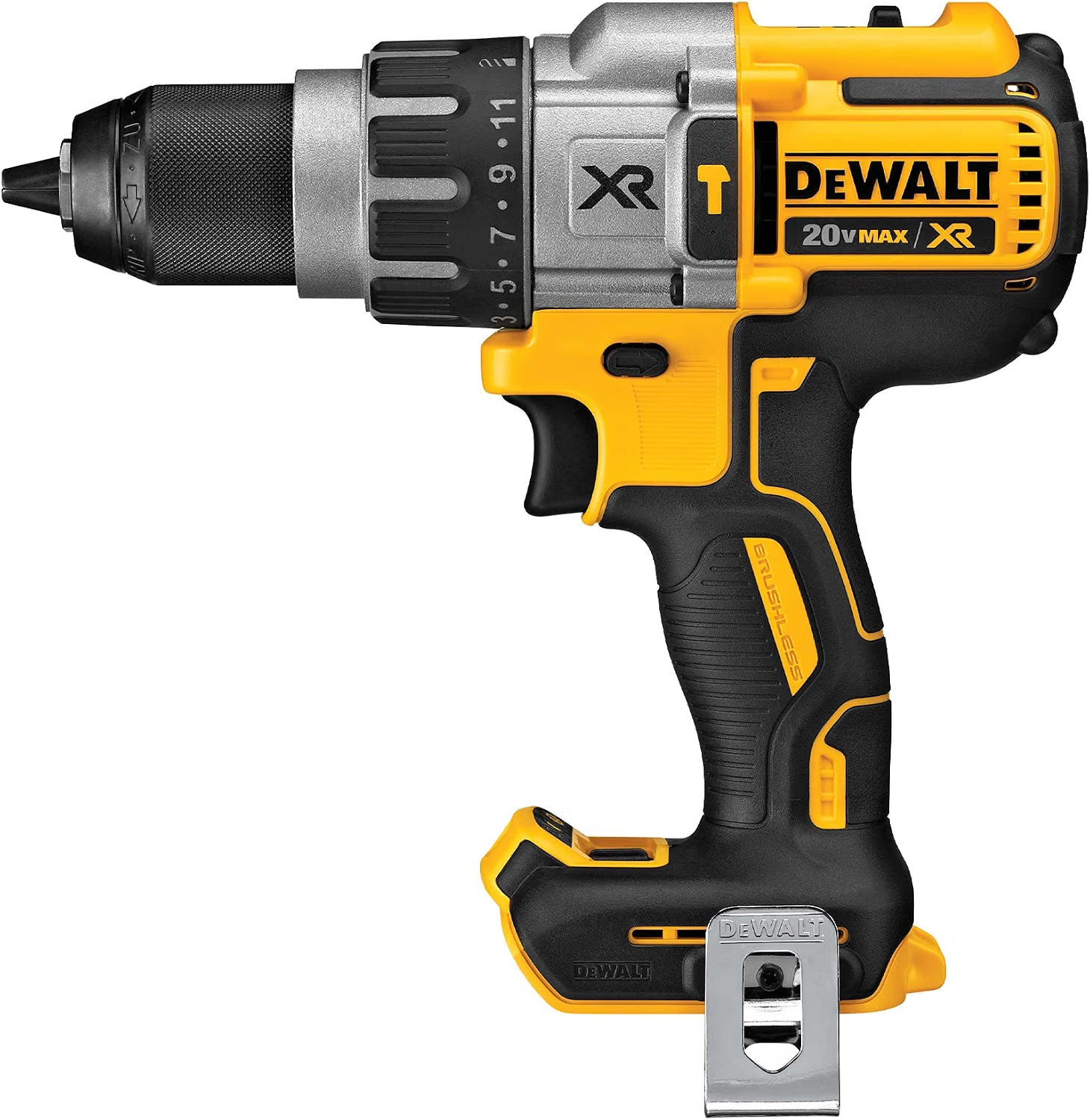
A decade-proven 95 Nm hammer drill that comfortably handles everyday fastening, drilling, and light masonry. Best suited to buyers replacing a DCD996 already in rotation, matching an existing jobsite fleet, or catching it at a genuine clearance price.
Introduction
I bought my trusty DeWalt DCD996 years ago, and for a long time, I thought it was the only drill I would ever need.
It had no problem punching holes through thick wood and concrete block.
But last summer, while drilling a huge 2-and-a-half-inch hole into a solid wooden beam to run some pipes, the drill bit stuck.
The motor was so strong that the drill instantly twisted hard in my hands. It nearly sprained my wrist, and I had to stop working for the day.
That exact painful moment made me start looking for a safer tool.
That is when I found the new DeWalt DCD1007.
It comes with a smart safety feature that cuts off the power instantly if the bit grabs, saving your arms from getting twisted off.
It is also noticeably shorter to fit into tight spots between wall studs.
After spending weeks using both on real job sites, here is what actually happens when you swap the old reliable legend for DeWalt’s newest heavy hitter.
Table of Contents
Quick TL;DR:
The DCD996 still has plenty of power for everyday job site work, so don’t throw yours away. But if you drill massive holes, work in tight wall studs, or want the anti-rotation safety feature that keeps a jammed bit from snapping your wrist, get the DCD1007.
At-a-glance: DeWalt DCD996 vs DCD1007
| Features | DCD996 | DCD1007 |
|---|---|---|
| Max torque | 95 Nm (820 UWO) | 169 Nm (2,100 in-lbs) |
| Speed settings | 3-speed, all-metal transmission | 3-speed, all-metal transmission |
| Clutch positions | 11-position electronic clutch | 11+1 torque settings |
| Kickback protection | None | Anti-Rotation System (senses bind-ups, auto shuts off) |
| Battery platform | 20V MAX (compatible with current batteries) | 20V MAX XR |
| Smart features | None | TOOL CONNECT chip-ready for asset tracking |
| Chuck | 1/2" ratcheting keyless | 1/2" ratcheting, nitro-carburized with carbide inserts |
| Where To Buy? | Check On Amazon | Check On Amazon |
The Problem With The Price
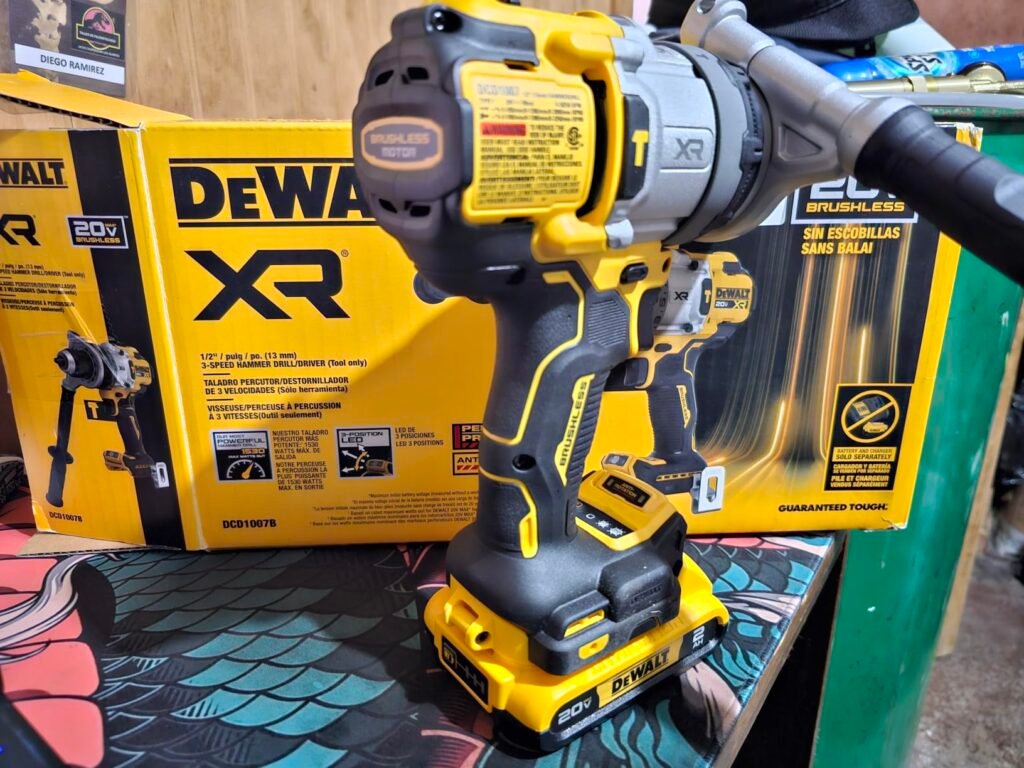
The DeWalt DCD1007 currently costs $62 less than the older DCD996 while delivering roughly 78% more torque, a kickback-prevention system the DCD996 doesn’t have, and a design refresh built four years after DeWalt engineers already knew what worked and what didn’t on the older tool.
That’s not a typo, and it’s not a coincidence — it’s the entire story of this comparison.
Everything below explains why that price gap exists, when the DCD1007 is the smarter buy, and what actually changed between generations beyond a bigger number on a spec sheet.
The Torque Gap Is Real, But It’s Not The Headline

To test the real power difference between these two drills, I took them straight to work. I had two main jobs lined up for the weekend: building a outdoor wooden deck using big 6-inch lag screws, and drilling massive 3-inch holes through thick oak timber to run plumbing pipes.
On paper, jumping from 95 Nm of torque on the old DCD996 to a whopping 169 Nm on the new DCD1007 sounds like a huge deal. But here is what actually happens when you pull the trigger.
When I was driving standard screws into framing wood and putting together the deck frames, both drills felt almost identical. They both drove every single screw flush into the wood without sweating or slowing down. Honestly, if you are just building shelves, repairing a fence, or doing basic woodworking, you will never even notice that the DCD1007 has extra power. The old 996 already has way more juice than standard house jobs need.
Where the extra torque actually shows up is when you push the tools to their absolute limit.
I grabbed a 3-inch hole saw bit and tried boring through a dense, solid oak beam. I started with the older DCD996. It made it through, but you could hear the motor working hard, straining, and slowing down as the bit pushed deep into the hard wood. I had to pull the drill back a few times to let it breathe.
Then I swapped in the DCD1007. The difference was immediate. The extra 169 Nm of torque meant the bit didn’t even slow down. It chewed right through the hardwood like it was soft pine, feeling like a heavy-duty industrial machine rather than a handheld cordless drill.
So while the extra power is very real, it isn’t the main reason to buy the new drill unless your daily job involves punishing heavy-duty tasks like boring huge holes or driving massive commercial bolts all day long.
The Anti-Rotation System Is The Quieter, More Important Upgrade

I decided to test this anti-rotation feature the hardest way possible: drilling a 1-inch masonry bit straight into a old, tough concrete foundation wall.
With the older DCD996, I held on tight with both hands, but as soon as the bit hit a hidden piece of metal rebar inside the wall, the drill jammed.
In less than a second, the whole drill body violently whipped sideways.
It slammed hard against my wrist and almost knocked the tool right out of my hands.
That painful kickback is something every contractor or home DIYer dreads when working with high-torque drills.
Next, I put the exact same bit in the new DCD1007 and leaned into the same concrete wall.
Sure enough, the bit hit another tough spot and stopped dead.
But instead of twisting my arm, the drill barely moved.
A red light flashed on the tool, the motor cut power instantly, and my hands stayed completely safe.
The box might hype up the huge torque numbers, but after feeling that kickback protection save my wrist in real time, this anti-rotation system is the single biggest reason to upgrade.
The Feature Nobody Puts In The Headline: Battery and Ecosystem Compatibility
To test this, I grabbed every yellow-and-black pack sitting on my shop shelves—a couple of old 2Ah packs from an old drill combo, my beat-up 5Ah XR workhorses, and a giant 60V FlexVolt battery.
I snapped every single one into both the DCD996 and the new DCD1007 to see how they handled real work.
Both tools fired up immediately with every battery I tried.
If you already own DeWalt gear, this is huge.
You don’t have to throw away a single charger or buy a whole new setup just to run the new drill.
However, how the drills actually performed with those batteries told two totally different stories.
I snapped an old, lightweight 2Ah pack into the new DCD1007 and tried drilling through a thick 4×4 post.
The drill worked, but it felt noticeably choked, like driving a sports car with cheap gas.
Then, I swapped in DeWalt’s new 8Ah PowerPack battery.
The tool completely transformed. It ran smoother, hit harder, and drove big fasteners back-to-back without getting burning hot.
If you already have a shelf full of DeWalt batteries, you can buy either drill as a bare tool, save your cash, and get right to work.
But if you are buying your very first DeWalt tool, do not just buy the bare drill.
Buying the DCD1007 in a complete kit with the newer high-output battery costs a bit more upfront, but it pays off immediately because you get the exact power these new high-torque tools were actually built to use.
Size And Weight Of These Two Drills On A Job Site
On paper, both look like typical heavy-duty DeWalt drills, but holding them in your hand tells a different story.
The old DCD996 is a long, heavy monster.
At over 8 inches long, I kept bumping the back of the drill into wall studs whenever I tried to work inside tight 16-inch framing spaces.
After a full afternoon of holding it overhead to drill ceiling anchors, my shoulder and arm were completely exhausted.
When I picked up the new DCD1007, the first thing I noticed was how much shorter it is.
DeWalt shaved almost an inch off the front-to-back length.
I was able to fit it right between wall studs without angling the bit sideways or using an awkward extension adapter.
It is still a heavy tool because of the massive motor inside, but the weight sits closer to your hand.
That better balance makes a huge difference when you are working all day.
Carrying the DCD1007 on my tool belt didn’t drag my pants down as much, and drilling overhead felt way less straining on my wrist and shoulder.
If you work in tight spots or carry your drill all day long, the shorter body and better balance of the DCD1007 make it much easier to live with than the bulky old 996.
Which One You Should Buy?
Buy the DeWalt DCD996 if:
A decade-proven 95 Nm hammer drill that comfortably handles everyday fastening, drilling, and light masonry. Best suited to buyers replacing a DCD996 already in rotation, matching an existing jobsite fleet, or catching it at a genuine clearance price.
- You already own one and it still works: The power upgrade alone isn’t big enough to justify swapping it out for normal everyday jobs.
- You do standard construction and DIY: If your work is mainly driving deck screws, drilling standard holes in 2x4s, or light masonry, the 996 has more than enough juice.
- You want to save money: It is often on sale or available as a cheaper bare tool, making it a budget-friendly way to get a professional-grade drill.
Buy the DeWalt DCD1007 if:
The clear winner for most buyers — 169 Nm of torque, DeWalt's Anti-Rotation kickback safety system, and a carbide-reinforced chuck, priced $62 lower than the older DCD996. If you're buying new in 2026 with no strong reason to go older, this is the pick.
- You are worried about wrist injuries: The Anti-Rotation safety cut-off is worth every penny the very first time a bit jams in concrete or metal.
- You work in tight spaces: The shorter front-to-back body lets you fit between wall studs and joists where the longer 996 gets stuck.
- You drill big holes or drive massive fasteners all day: If you regularly use large hole saws, auger bits, or heavy lag bolts, the 169 Nm of torque keeps moving without stalling out.
- You are starting fresh in the DeWalt system: Buying it in a kit gives you DeWalt’s newest high-output battery tech right out of the box.
Final Verdict
Upgrading tools isn’t about buying the loudest specs—it’s about fixing real problems on the job.
If your current drill gets the job done without putting you in the emergency room, stick with what you have and spend your money elsewhere.
But the moment your work demands squeeze-space maneuvering or high-torque drilling where a bound bit could snap your wrist, the DCD1007 pays for itself instantly.
It isn’t just a faster tool; it is a smarter, safer insurance policy for your hands.
Related Articles:
FAQs
1. Is the DeWalt DCD1007 really better than the DCD996?
Yes, in most measurable ways — it has 78% more torque, an Anti-Rotation safety system, and a reinforced chuck, while currently costing $62 less than the DCD996.
2. What is the torque difference between the DCD996 and DCD1007?
The DCD996 delivers 95 Nm (820 UWO) of max torque, while the DCD1007 delivers 169 Nm (2,100 in-lbs) — roughly a 78% increase, not “double” as some sources claim.
3. Can the DCD1007 use the same batteries as the DCD996?
Yes. Both tools run on DeWalt’s 20V MAX platform, so existing batteries and chargers work across either drill.
4. Why is the older DCD996 more expensive than the newer DCD1007?
Pricing usually comes down to kit configuration (bare tool vs. battery bundle) and the DCD996 being phased out of DeWalt’s current lineup — not the DCD1007 being lower quality.
5. Do I need 169 Nm of torque for home projects?
Probably not. Most home fastening and drilling tasks stay well under 95 Nm, so the extra torque mainly benefits large-bit drilling, long structural screws, and masonry work.